
Troy Service Overview
-
Whole-Home Service: We provide heating, cooling, plumbing, electrical, and indoor air quality services for Troy homes across established neighborhoods and newer developments.
-
Property-Specific Solutions: Our technicians account for differences in home age, additions, garages, workshops, finished spaces, equipment, and utility layouts when diagnosing service needs.
-
Growing-Home Expertise: We help Troy homeowners maintain existing systems while supporting newer equipment, expanded living spaces, and changing household demands.
Troy has grown outward from its role as the Lincoln County seat. Highway 61 provides the main route south toward St. Charles County, Highway 47 crosses the community, and residential development extends well beyond the streets surrounding the traditional center of town. Within 63379, you can find established neighborhoods, newer subdivisions, and homes sitting on considerably more land near the edges of the community.
That variety changes what our technicians encounter from one address to the next. Equipment age, utility layouts, additions, garages, workshops, finished spaces, and previous upgrades can create very different service needs even within the same ZIP code. Classic Aire Care provides heating, cooling, plumbing, electrical, and indoor air quality services throughout Troy. Call (314) 200-1211 when something in your home needs professional attention.
“Alex was extremely helpful in figuring out our AC issue. He arrived right on time, was very professional and kind. We will definitely be using them in the future.”
— Jillian H
Looking for HVAC Company near Troy, MO? Contact Classic Aire Care online or call us at (314) 200-1211 today.
A Growing Lincoln County Seat Creates a Wide Mix of Homes
Troy’s position at the center of Lincoln County has helped the community expand while retaining an established core. Development along and beyond Highway 61 has added another generation of housing, while properties farther from central Troy can offer larger lots and a more spread-out setting.
That means there is no useful “typical Troy house” for a technician to assume. One appointment may involve older infrastructure that has been modified several times. The next can involve newer equipment, more square footage, or additional spaces that place completely different demands on the home.
Common Troy Home Challenges
Problem: Different home ages, additions, finished spaces, and larger properties can create uneven heating and cooling demands across Troy homes.
Solution: We diagnose the full comfort system and provide furnace, AC, heat pump, ductless, and other HVAC solutions based on the home’s actual layout and needs.
Problem: Older plumbing infrastructure can exist behind remodeled kitchens, bathrooms, additions, and finished living areas, making leaks or drainage problems difficult to locate.
Solution: Our plumbing team provides leak detection, drain clearing, sewer diagnosis, piping repairs, water heater service, and other solutions designed to identify the source before unnecessary disruption occurs.
Problem: Larger properties and continued development can increase electrical demand through workshops, garages, renovations, outdoor lighting, and electric vehicle charging.
Solution: We evaluate total electrical demand and provide dedicated circuits, panel changes, wiring improvements, lighting, surge protection, and EV charging solutions where appropriate.
Problem: Seasonal pollen, summer moisture, winter dryness, and changes to HVAC layouts can affect indoor air quality in Troy homes.
Solution: We provide filtration, air-cleaning equipment, humidity control, and dehumidification options that can be matched to the home’s current airflow and moisture conditions.
Furnace Repair & Heating Services in Troy, MO
Winter service in Troy can become urgent quickly when temperatures fall across Lincoln County. A furnace that has been inconsistent for weeks may suddenly be responsible for maintaining the entire house through a freezing night. On larger properties outside the denser parts of town, dependable heating becomes especially important when homeowners cannot simply ignore a system that has started acting unpredictably.
Heating services throughout Troy include:
- Furnace troubleshooting for inconsistent heat
- Cold-weather response when a 63379 home loses heating
- Replacement planning for systems requiring frequent attention
- Furnace installation for expanded Troy floorplans
- Boiler work for homes relying on hot-water heat
- Heat pump service across both major comfort seasons
- Geothermal solutions for suitable Lincoln County properties
A heating system can technically operate while still doing a poor job. Uneven room temperatures, unusually frequent starts, or much longer heating cycles can make the house uncomfortable well before the furnace reaches a complete shutdown.
Plumbing Services for Troy Homes, Inside Town and Beyond
The distance between properties changes as you travel away from Troy’s central neighborhoods. That matters because plumbing may serve very different types of homes, from traditional subdivision layouts to houses with larger footprints, finished lower levels, additions, and utility spaces positioned farther from the main living areas.
Troy plumbing work can include:
- Active-leak repairs before water spreads farther
- Fixture service for bathrooms and busy kitchens
- New piping where additions change the original layout
- Drain clearing for lines that repeatedly slow or stop
- Water heater work based on actual household usage
- Sewer diagnosis for homes throughout the Troy area
- Hidden water-leak locating through completed rooms
- Gas piping for new appliances and comfort equipment
- Backflow protection for household water systems
- Disposal service for heavily used kitchen sinks
- Plumbing support for local commercial properties
Where the water appears can be several feet from where it escaped the pipe. In finished homes, careful tracing can reduce unnecessary disruption while giving the plumber a better target for the repair.
“Griffin was very polite. He came out to troubleshoot the AC as to why it stopped working. Shortly after his arrival he found a blown control fuse. The condition that caused it didn’t exist at the time, but Griffin spent a lot of time looking for trace markers that could point to the cause. I appreciate the diligent effort. I would highly recommend”
— James L
AC Repair & Air Conditioning Services in Troy, MO
Troy may sit farther north than the closer St. Louis suburbs, but summer still brings the heat and humidity that keeps central air systems busy across eastern Missouri. Cooling challenges can become more pronounced in larger houses, homes with additions, or properties where rooms receive substantially different amounts of afternoon sun.
Air conditioning work across 63379 includes:
- AC repair when indoor temperatures begin climbing
- Cooling response through Lincoln County’s hottest stretches
- Replacement options for equipment losing reliability
- Seasonal service before extended summer operation
- Ductless cooling for spaces added after construction
- Mini-split troubleshooting for dedicated comfort areas
- Supplemental AC where existing ducts are impractical
- Heat pump work for combined heating and cooling systems
Some cooling problems follow a schedule. A west-facing room that becomes uncomfortable every afternoon suggests a different challenge from an entire house that stays warm from morning onward. Looking at the pattern can help separate room-specific comfort issues from broader system performance concerns.
“Dan B. is an exceptional repair representative and we couldn’t be happier with his knowledge and kindness in solving our A/C issue this morning–thank you so much!”
— Joseph C
Indoor Air Quality Services for Troy’s More Open Setting
Troy sits beyond much of the denser development found farther south along Highway 61. Open ground, wooded areas, and seasonal vegetation remain part of the landscape around 63379, which can mean plenty of pollen and outdoor particles during portions of the year. Indoors, summer moisture and winter heating create their own seasonal concerns.
Indoor air quality options for Troy include:
- Central filtration during heavy pollen periods
- Winter humidity control when indoor air turns dry
- Dehumidification for moisture-prone lower spaces
- Air-cleaning equipment integrated with the HVAC system
The right indoor air quality setup may change as the house changes. A finished basement, home addition, or altered HVAC layout can introduce new airflow and moisture conditions that were not present when the original system was designed.
Electrical Services for Troy Homes With Room to Grow
Larger lots and continued residential development give electrical work in Troy a different dimension. A homeowner may be adding power inside the house, installing equipment in a garage or workshop, improving exterior lighting, or preparing for an EV charger. Each addition becomes part of the total electrical demand the property must support.
Electrical projects around Troy include:
- Circuit diagnosis for unexplained trips and outages
- Dedicated power runs for new household equipment
- Standby power for longer Lincoln County interruptions
- Service-level surge protection for major home systems
- Receptacles added where renovated rooms need power
- Wiring improvements discovered during remodeling
- Electrical-panel changes for planned equipment additions
- Lighting for garages, workshops, yards, and interiors
- Load evaluations before high-demand equipment is installed
- Residential charging equipment for electric vehicles
The useful question is not simply whether an open breaker space exists. Larger electrical additions need to account for total demand, equipment requirements, and what else the homeowner may reasonably add later.
Highway 61 Has Changed Troy Without Replacing Its Center
Troy remains the Lincoln County seat, and its courthouse square and established central area continue to give the community a recognizable center. At the same time, Highway 61 has made Troy increasingly accessible to communities farther south and helped support residential and commercial growth beyond the older street pattern.
That combination creates the Troy our technicians work in today. Some properties carry decades of repairs and improvements. Others reflect more recent growth. Classic Aire Care works across both, providing HVAC, plumbing, electrical, and indoor air quality expertise without treating newer development and established Troy as though their homes were built the same way.
Home Service for the Troy You Live In Today
Troy has an established center, a growing Highway 61 corridor, newer neighborhoods, and properties that become more spread out toward the surrounding Lincoln County landscape. Those differences show up inside the homes too, through equipment installed at different times, additions completed over the years, and new demands placed on electrical, plumbing, heating, and cooling systems.
Classic Aire Care provides air conditioning, heating, plumbing, electrical, and indoor air quality service throughout Troy and 63379. Call (314) 200-1211 when you need repair, maintenance, replacement, or installation for your Troy home.
FAQs for Troy Homeowners
Why is my furnace running but not keeping my Troy home warm?
A furnace can continue operating while still struggling to maintain comfortable temperatures. Uneven room temperatures, frequent starts, or unusually long heating cycles can indicate airflow, equipment, or system-performance concerns that should be professionally evaluated.
How often should I have my HVAC system serviced in Troy?
Regular HVAC maintenance can help identify developing problems before they become larger repairs. A common approach is to schedule heating maintenance before winter and cooling maintenance before extended summer operation.
Why does one room in my Troy home stay warmer than the rest?
Room-specific comfort problems can be related to airflow, ductwork, insulation, room orientation, windows, additions, or changes made to the home’s original layout. A technician can evaluate the pattern to determine whether the issue is isolated or part of a broader HVAC concern.
What should I do if I discover a hidden water leak?
Address the water source as quickly as possible and limit additional water exposure when practical. Because the visible water may be several feet from the actual plumbing failure, professional leak tracing can help identify the source and reduce unnecessary disruption.
Can my electrical system support an EV charger or other high-demand equipment?
An available breaker position does not necessarily mean the electrical system has enough capacity for a new high-demand device. A load evaluation can help determine whether dedicated circuits, panel changes, wiring improvements, or other electrical work are needed.
Recent Jobs and Reviews in Ballwin, MO
Ballwin, MO at a glance
Classic Aire Care has completed 20 jobs in Ballwin, MO between August 2026 and September 2026.
The most recent job was on September 3, 2026.
Classic Aire Care has completed 510 jobs in Ballwin, MO in the last 12 months.
Job Locations and Reviews
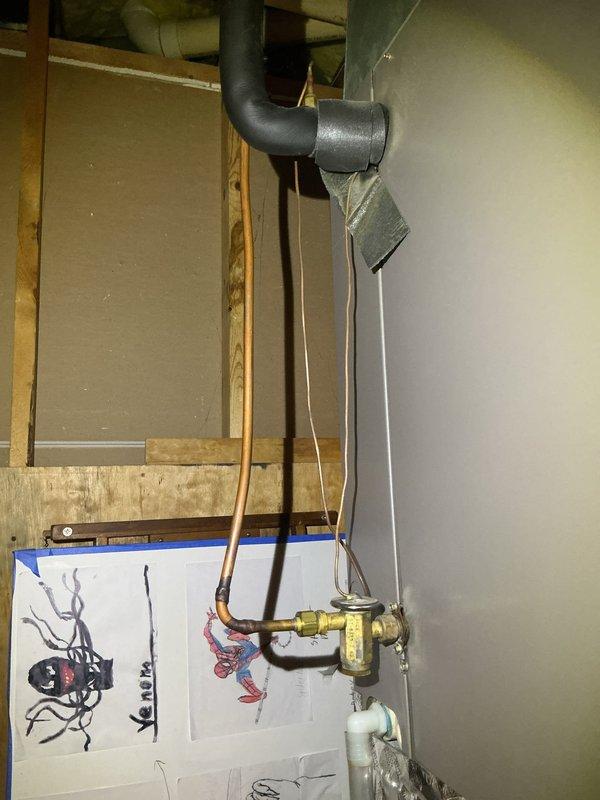
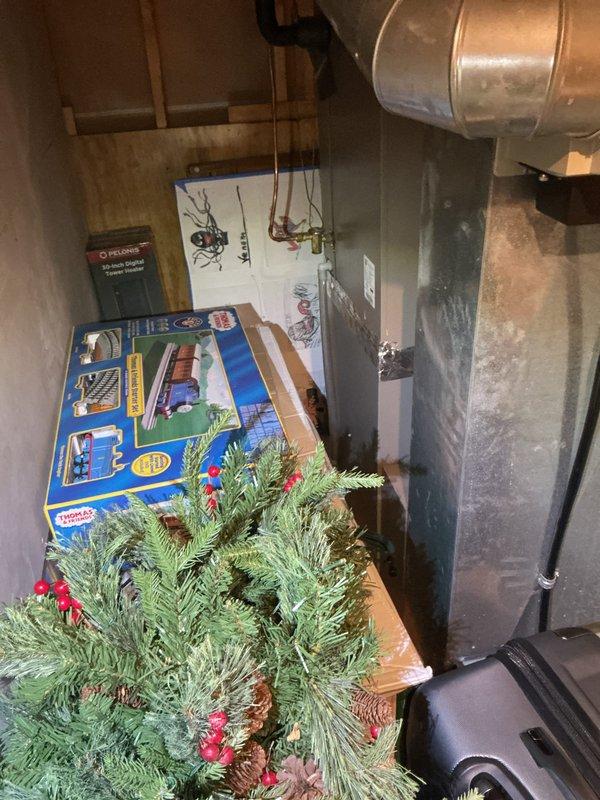

Responded to no cooling call on York condensing unit approximately one year old affecting entire home. Upon arrival, performed system diagnostics and inspected indoor evaporator coil and refrigerant lines in basement utility area. Verified proper electrical connections, checked refrigerant pressures, and assessed airflow through the system. System restored to normal cooling operation and confirmed adequate temperature differential across evaporator coil.
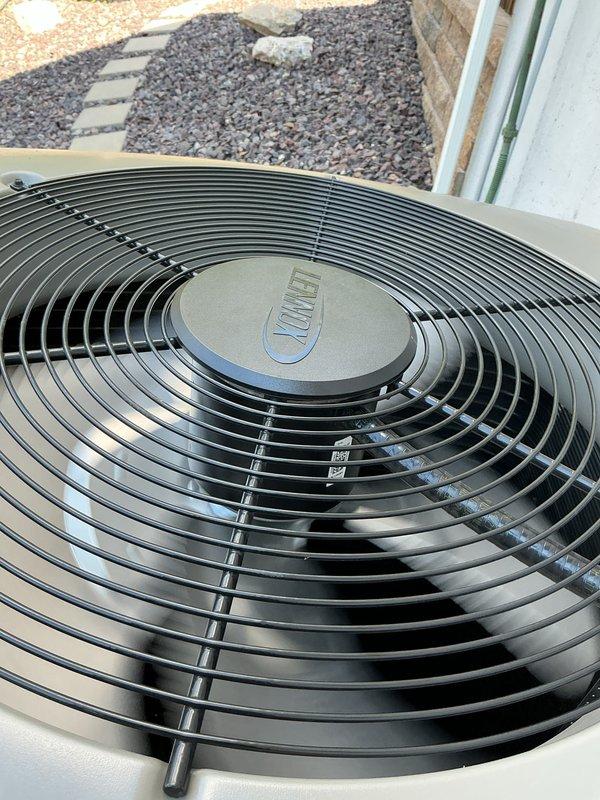

Responded to callback for unusual noise from Lennox air conditioning system following morning service. Inspected outdoor condenser unit and determined noise was caused by debris lodged in fan assembly. Removed obstruction, verified proper fan operation and clearances, and confirmed system running quietly with normal sound levels. Unit tested through full cooling cycle with no abnormal operation detected.
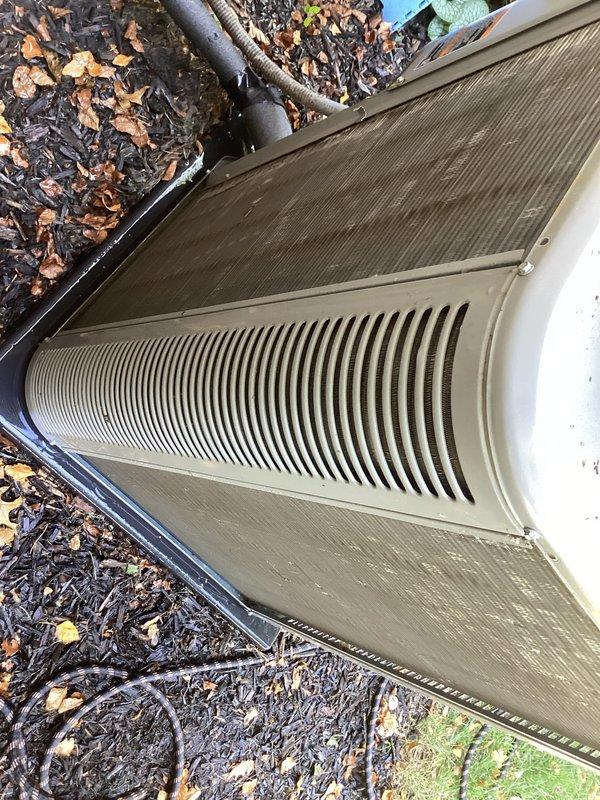
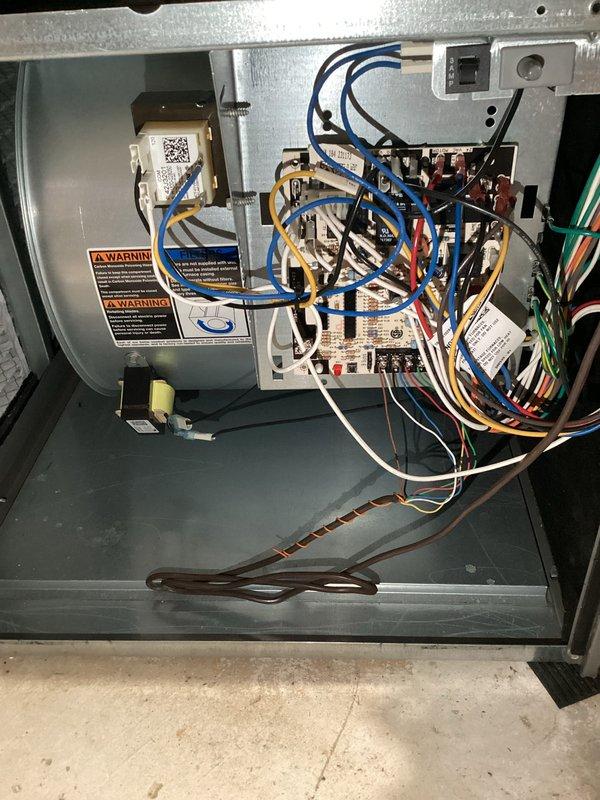

Completed comprehensive tune-up service on a 10-year-old residential air conditioning system located at exterior side of home per Home Depot work order #F61804547. Performed standard maintenance protocol including inspection of outdoor condenser unit, internal components, electrical connections, blower motor assembly, and control board functionality. All system components found operational with routine maintenance completed and unit returned to service.
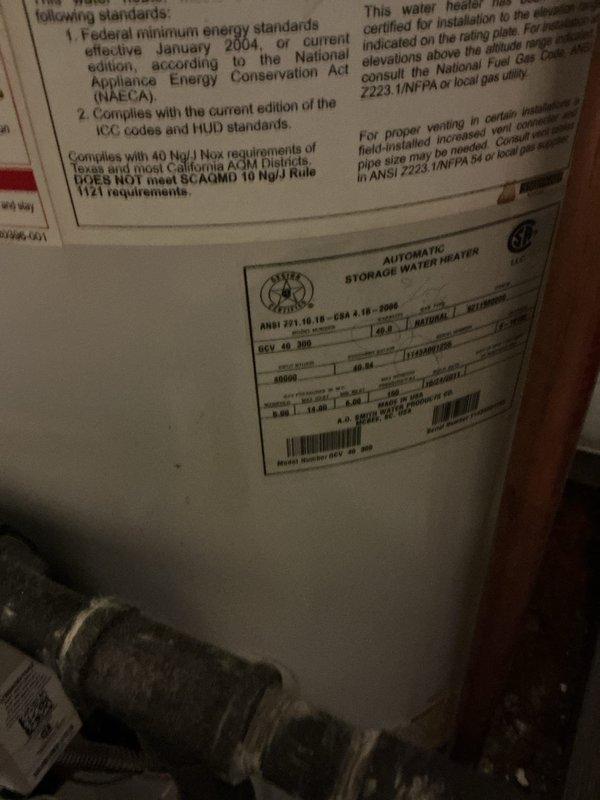
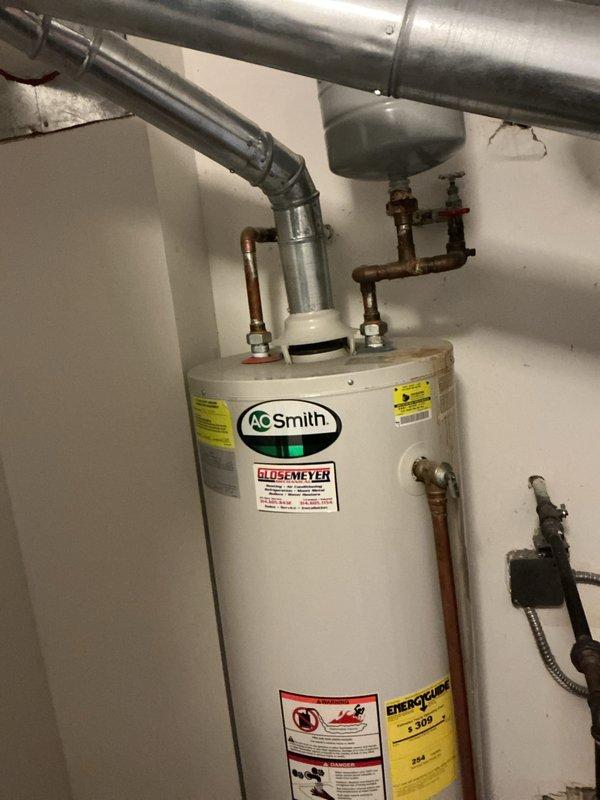

Responded to water leak in ceiling at condominium building. Removed existing failed water heater and installed new 40-gallon gas tall water heater with drain pan. Connected copper supply lines with brass fittings and shut-off valves to water heater inlet and outlet. Installed pressure relief valve and discharge piping per code requirements. Connected closet-vent system with proper venting configuration using galvanized ductwork. Applied required plumbing identification sticker and obtained permit compliance for installation. Tested all connections for leaks, verified proper gas combustion, and confirmed water heater operation. System functioning properly upon completion.
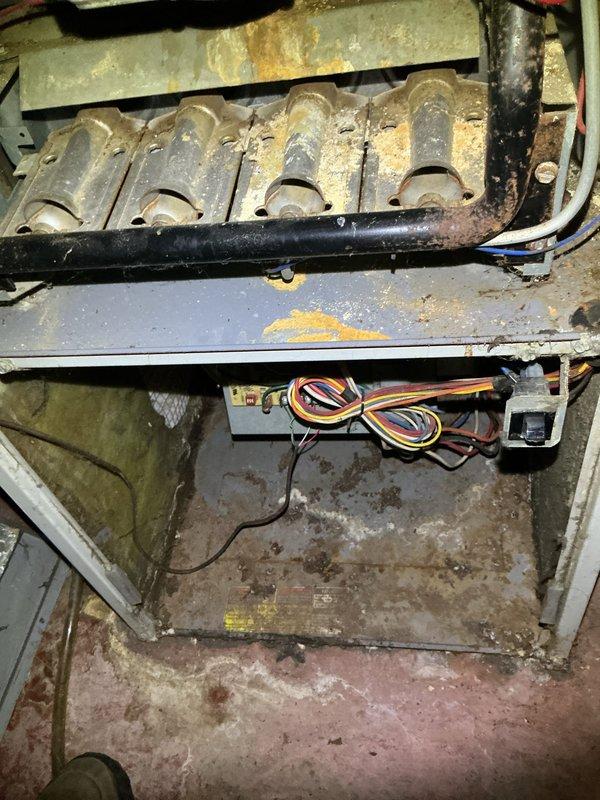
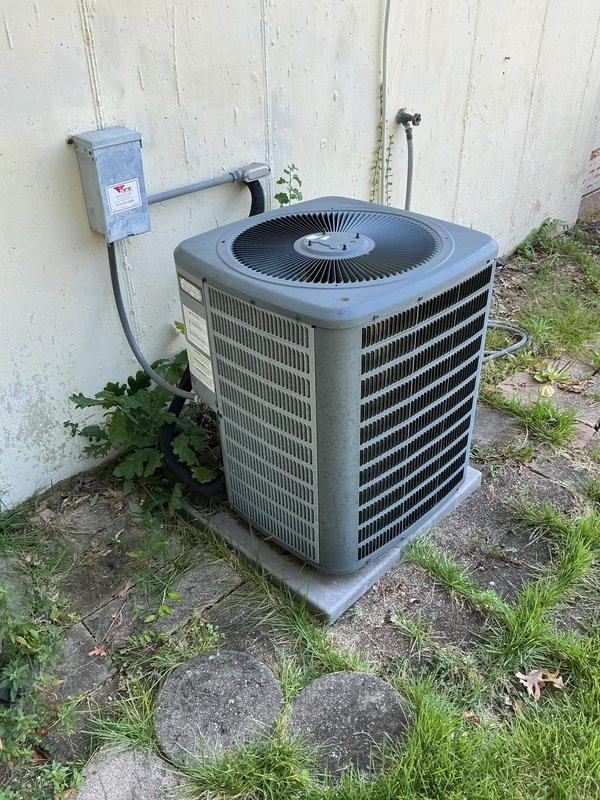
Responded to no cooling call for residential 10-year-old AC system. Upon arrival, provided 30-minute advance notice as requested by customer. Performed diagnostic evaluation of outdoor condensing unit and indoor air handler. Outdoor unit showed normal physical condition with proper placement on concrete pad and functional disconnect box. Indoor unit inspection revealed significant deterioration of heat exchanger components with extensive corrosion, rust accumulation, and yellow staining throughout. Heat exchanger tubes displayed orange-brown rust patches and discoloration indicating advanced age and possible moisture exposure. Interior cabinet showed substantial dirt buildup, rust stains, and greenish-gray deposits on metal surfaces. Wiring bundles and electrical connections were inspected and found intact. Documented conditions with photos for customer review. System age and observed deterioration of critical components noted for discussion of repair versus replacement options.
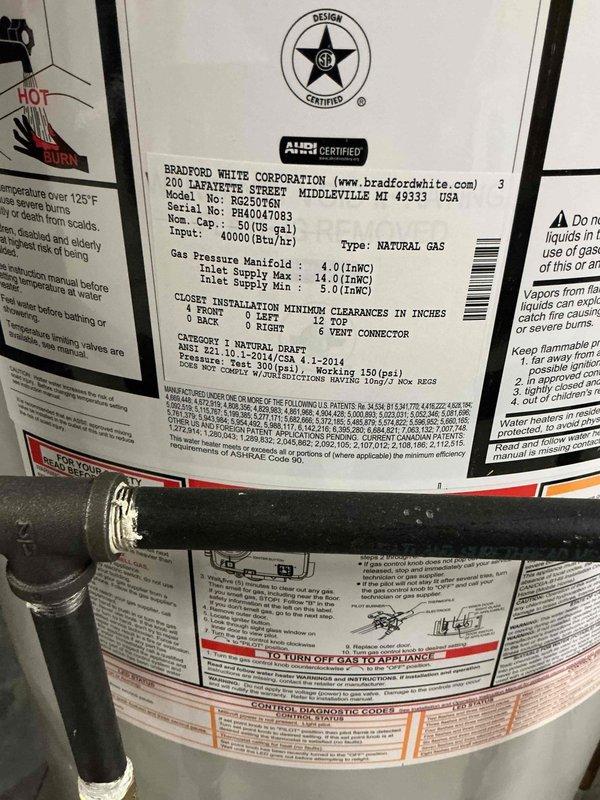
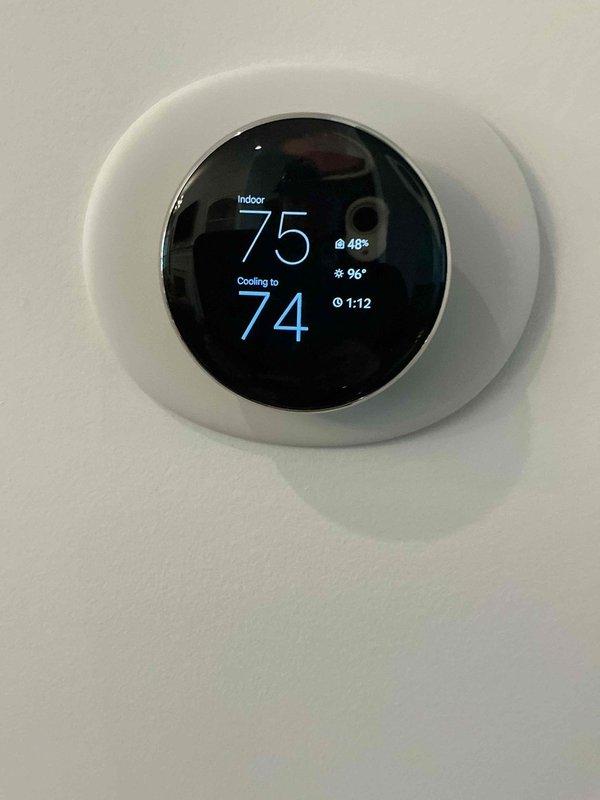

Completed comprehensive heating tune-up and safety inspection on two 8-year-old furnace systems located in basement. Performed standard maintenance procedures including filter inspection, burner assembly cleaning, heat exchanger examination, blower motor lubrication, and combustion analysis on both units to ensure optimal efficiency and safe operation. Verified thermostat operation and system controls functioning properly, with cooling system actively maintaining setpoint at time of service.
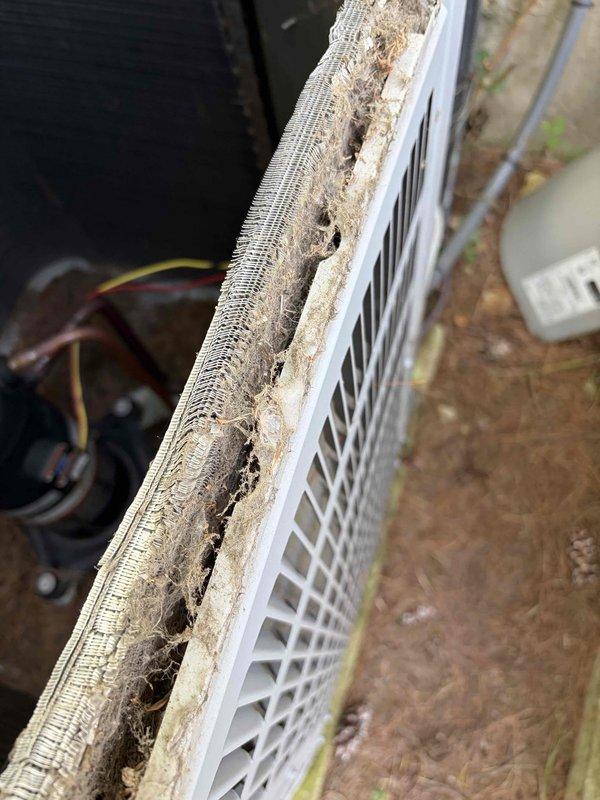
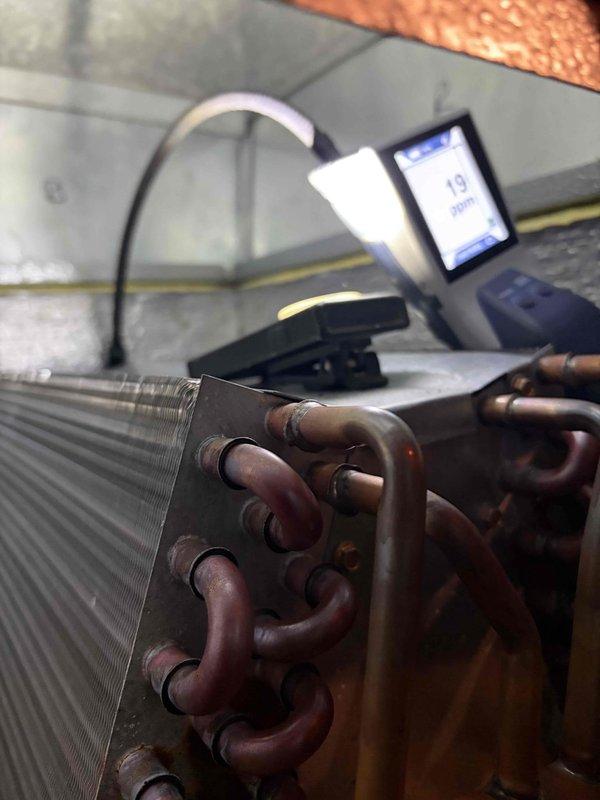

Responded to service call for second floor system experiencing breakdown and aggressive freeze-up conditions. Upon inspection, found extensive ice buildup on evaporator coil preventing proper assessment. Documented severely restricted airflow at return air vent with significant dust and debris accumulation that likely contributed to reduced system performance. Measured system parameters and photographed coil assembly showing copper line connections and finned heat exchanger. Due to extent of ice formation, system requires defrost period before comprehensive leak search can be performed to determine if evaporator coil has failed. Return visit scheduled to complete refrigerant leak detection and provide definitive diagnosis once coil is fully thawed.
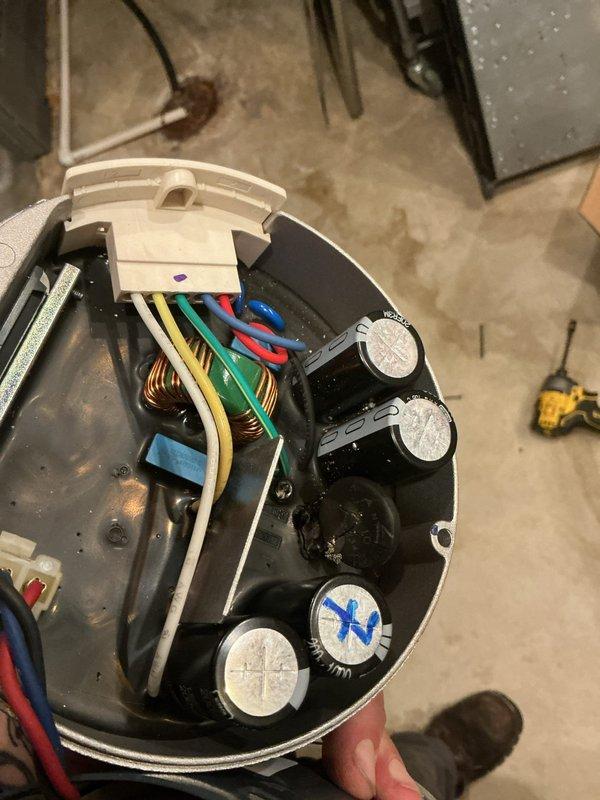

Returned to system to replace defective blower motor under warranty, serial number 5923C11541, which had previously been installed in January 2025. Removed and retained failed motor assembly for warranty processing, installed replacement unit, verified proper electrical connections and operation. System restored to full cooling capacity with no additional issues found.
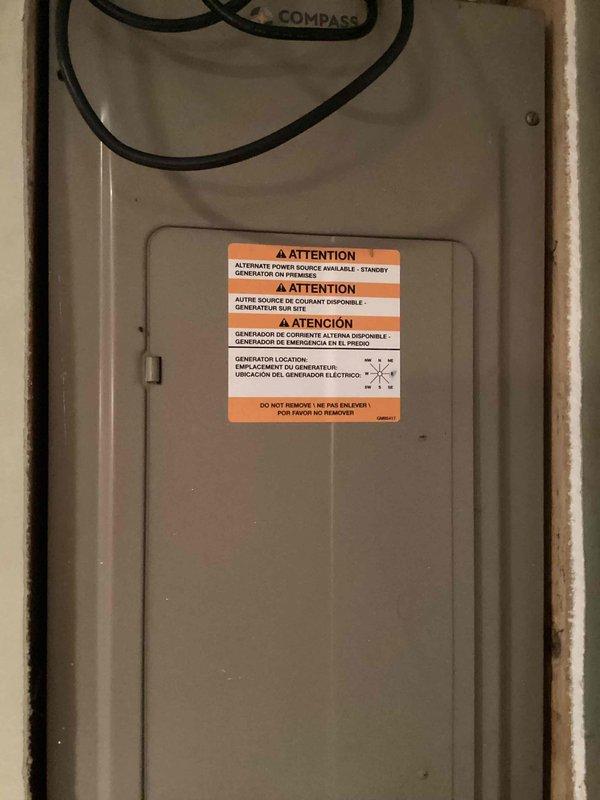
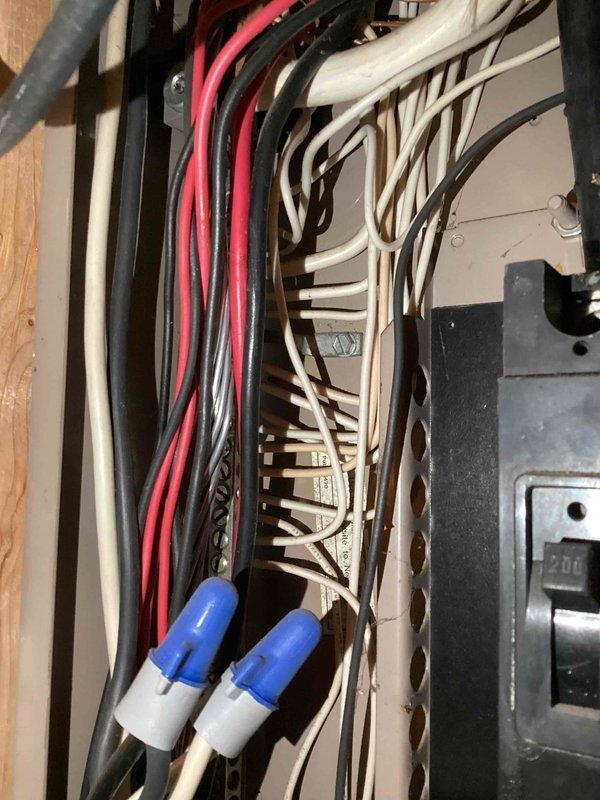

Completed comprehensive electrical inspection of residential service panel and distribution system. Examined main electrical panel housing with standby generator interconnection labeling, verifying proper warning signage and access panel integrity. Inspected internal wiring configuration including multiple circuit conductors (red, black, white, and gray cables), verified proper wire bundling and organization, and confirmed secure wire nut connections on neutral conductors within the distribution box.
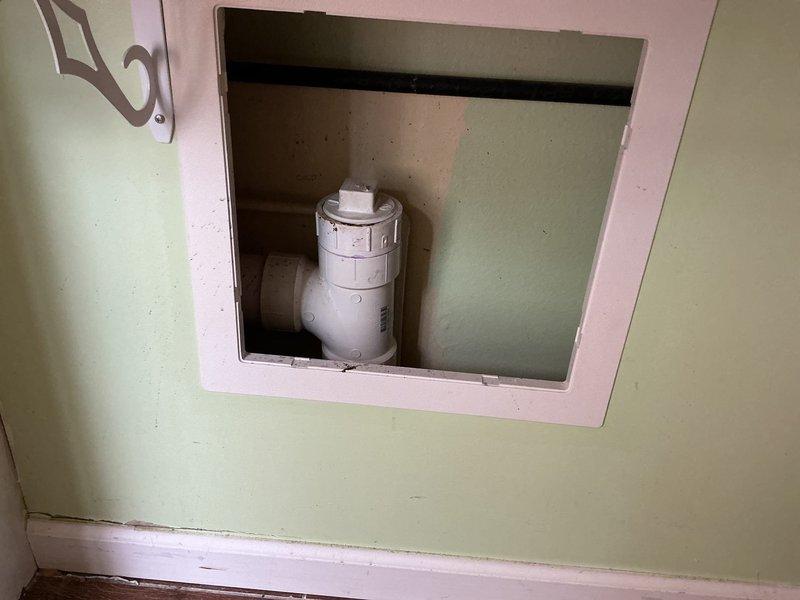

Responded to reported slow-draining laundry room drain. Upon inspection, accessed plumbing system through wall-mounted access panel and evaluated drainage components including water filtration system and associated PVC piping. Assessed drain flow and plumbing configuration to identify cause of drainage issue and restored proper function to laundry drain system.
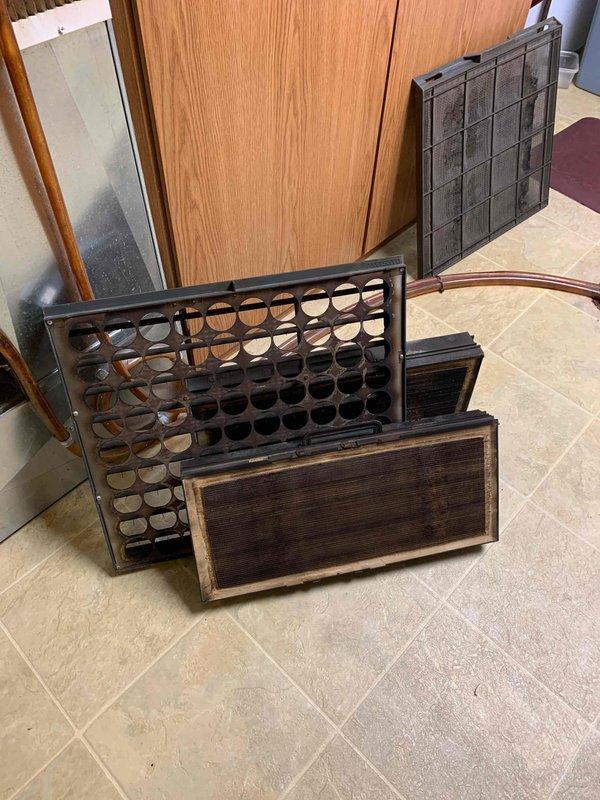
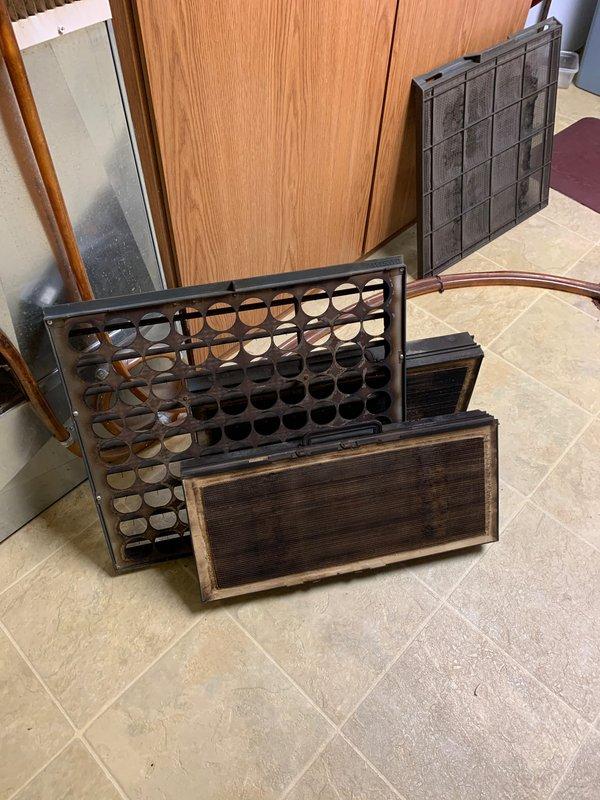

Completed comprehensive Supertune maintenance on ground-level AC unit at condo property. Removed and inspected all return air grilles and filter components, which showed moderate dust accumulation and wear from regular operation. Cleaned metal grilles with oval-pattern mesh design and serviced wooden-framed filter assembly along with gray plastic filter frames. Performed standard tune-up procedures including system inspection, cleaning of components, and verification of proper airflow. All filters and grilles reinstalled and system returned to normal operation.
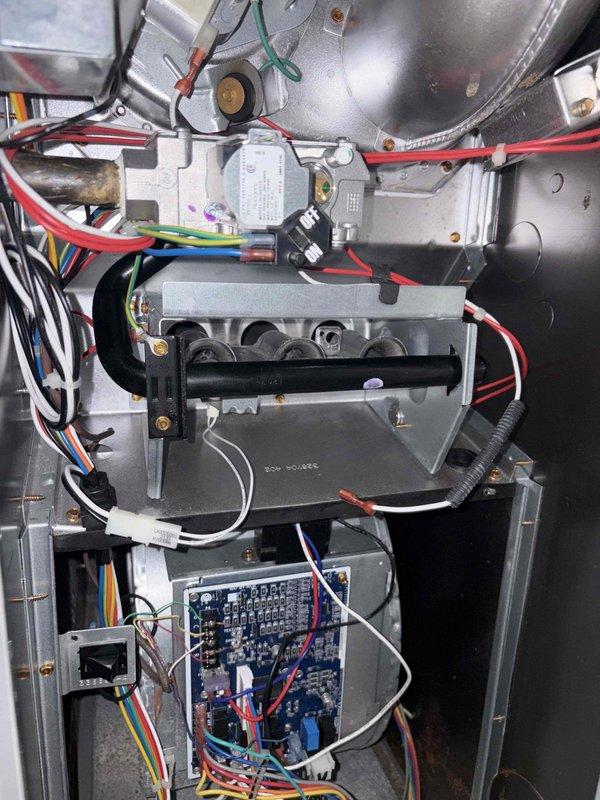
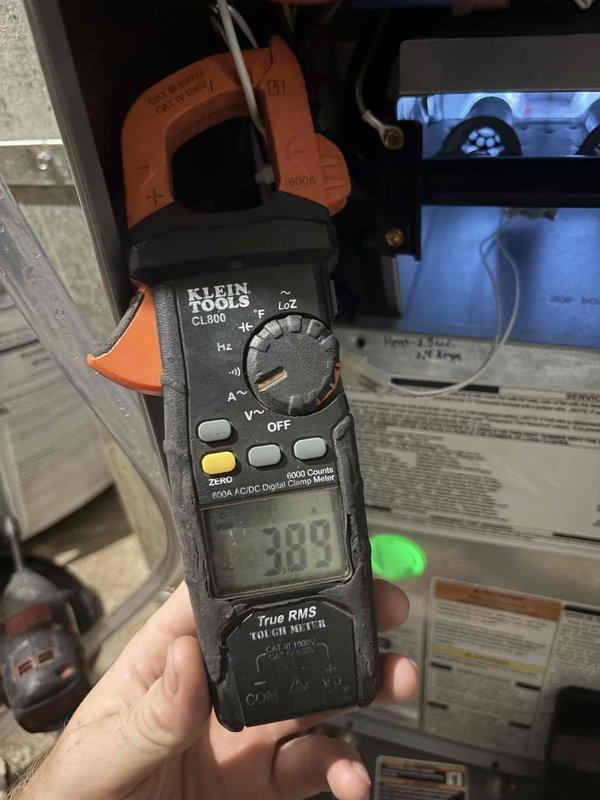

Completed comprehensive tune-up on 10-year-old AC unit located on side of home. Performed thorough inspection of furnace components including blower motor assembly, gas valve mechanism, and control circuit board; verified all electrical connections and wire terminations were secure. Measured system amperage at 389A using clamp meter to confirm proper electrical operation and component performance within manufacturer specifications.
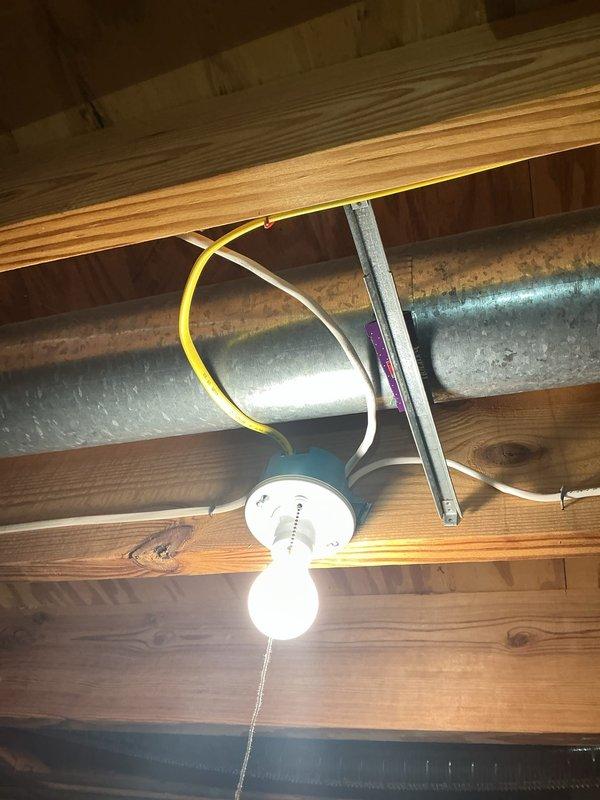
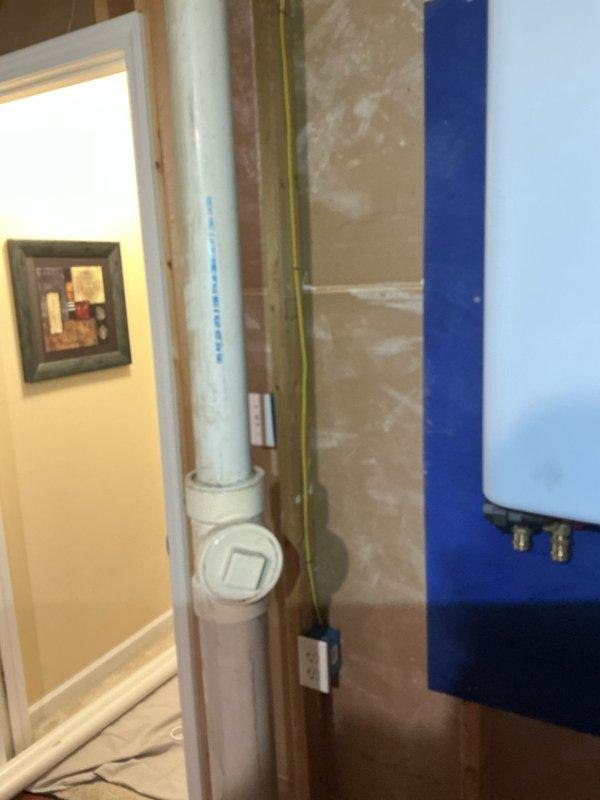

Completed installation of tankless water heater unit in basement utility area with exposed framing. Unit mounted to wall studs with proper venting and drainage connections established using white PVC piping, including cleanout access point for future maintenance. All electrical connections completed in accordance with code requirements, utilizing existing electrical infrastructure and panel access.
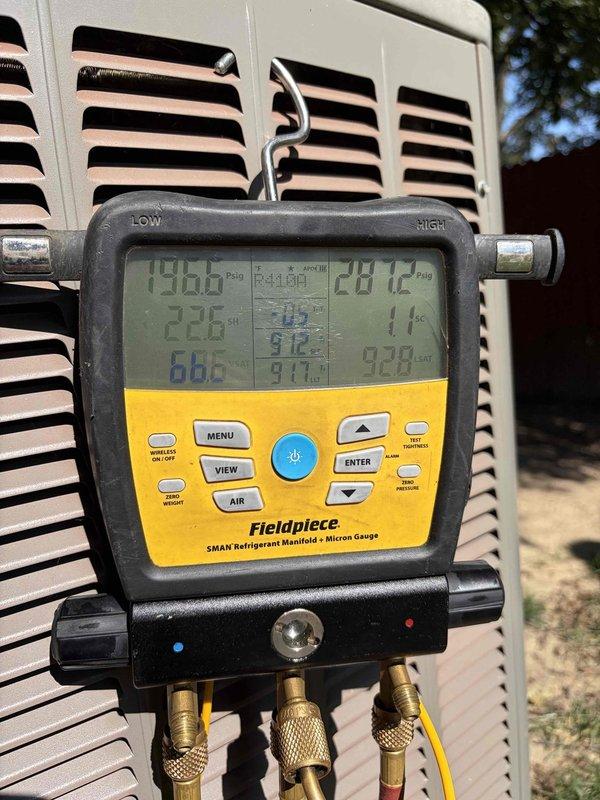
Responded to a no-cooling complaint on a 14-year-old outdoor A/C unit for second opinion evaluation. Upon arrival, connected digital manifold gauges to assess refrigerant pressures and temperatures, which revealed abnormal system readings with high-side pressure at 281.2 psig and discharge temperature at 227.8°F. Documented equipment condition and diagnostic measurements with photographs prior to performing any service work, as previous contractor had implemented temporary repairs that required professional verification.
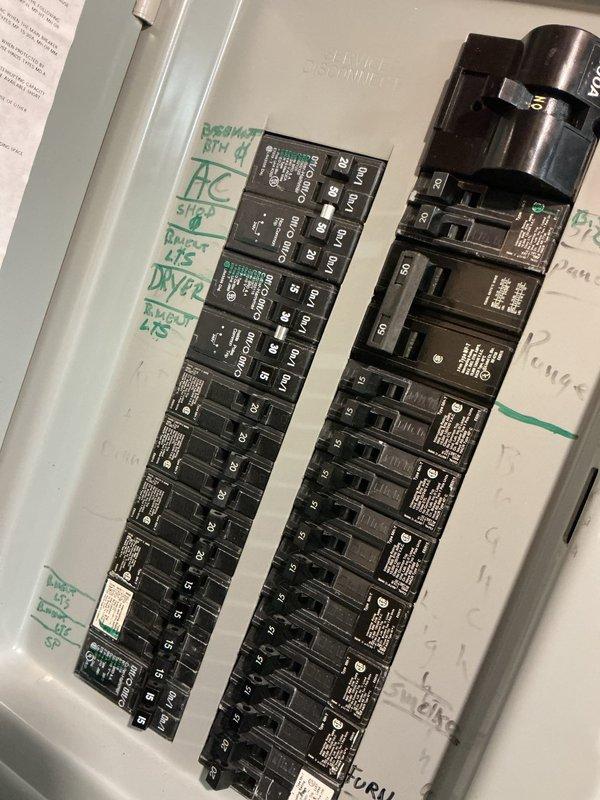
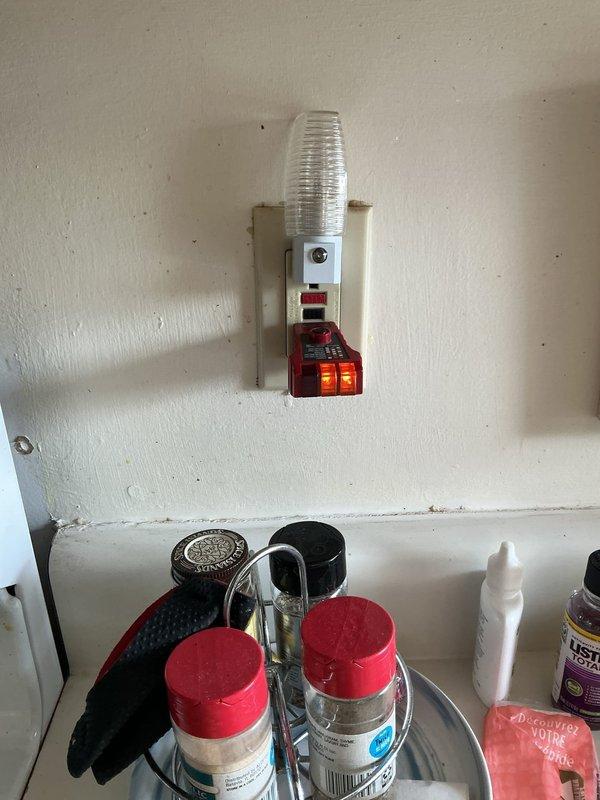
Completed comprehensive electrical home audit including detailed inspection of main electrical panel and safety systems. Documented circuit breaker configuration with existing handwritten circuit labels identifying dormitory master, AC unit, story circuits, parlor, and expansion circuits. Verified alarm system functionality including strobe light and LED indicator panel in utility area. All electrical components and safety devices were photographed for record-keeping purposes and found to be in functional condition with standard wear patterns consistent with regular residential use.
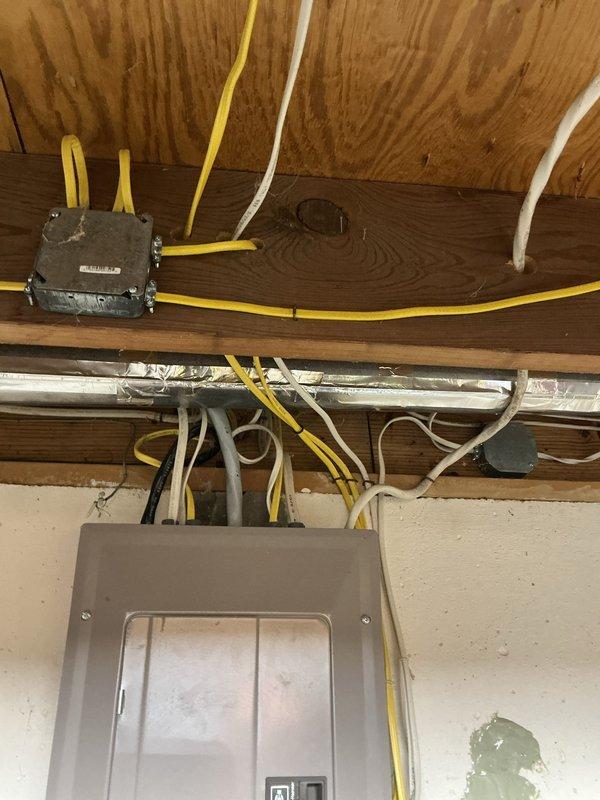
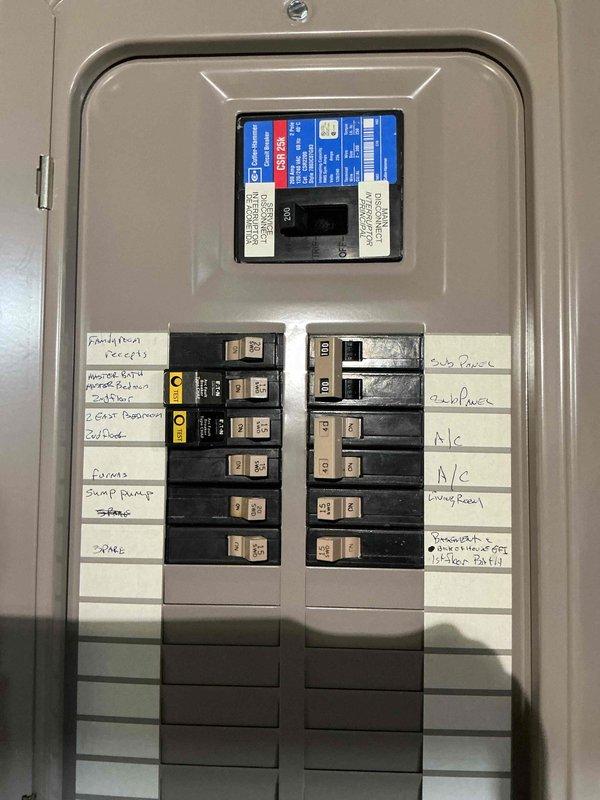
Completed comprehensive electrical system inspection and audit of residential property. Performed thorough examination of main electrical service panel, verifying proper circuit breaker operation, labeling accuracy, and load distribution across all circuits including family room, master bath, dishwasher, guest bedroom, refrigerator/disposal, furnace, sump pump, stove, living room outlets, and smoke detector systems. Inspected attic-level electrical infrastructure, including junction box connections, wire routing through structural framing, and cable management along ceiling joists. Documented existing wiring conditions, noting yellow-jacketed cables, white conductors, and gray service wires properly secured to wooden beams and plywood sheathing. Verified electrical panel interior components, main breaker specifications, and circuit identification systems are functioning as designed with appropriate safety labeling in place.
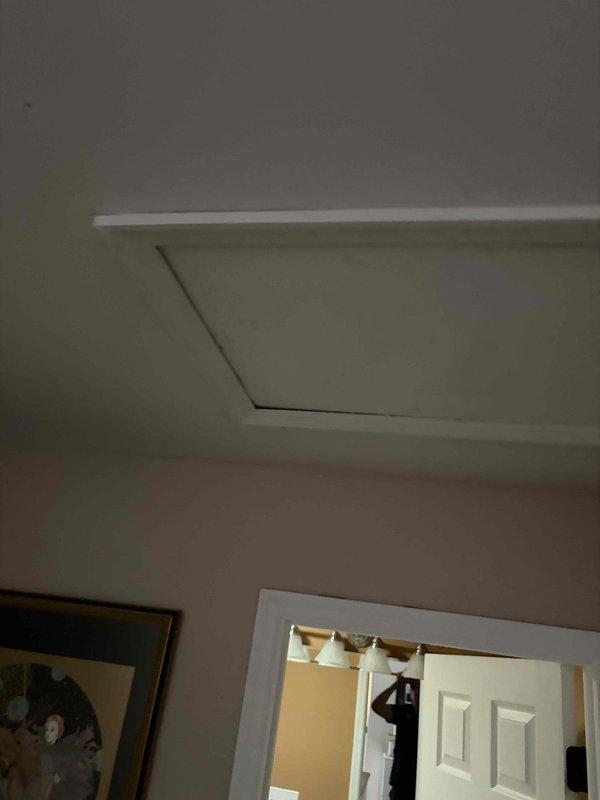
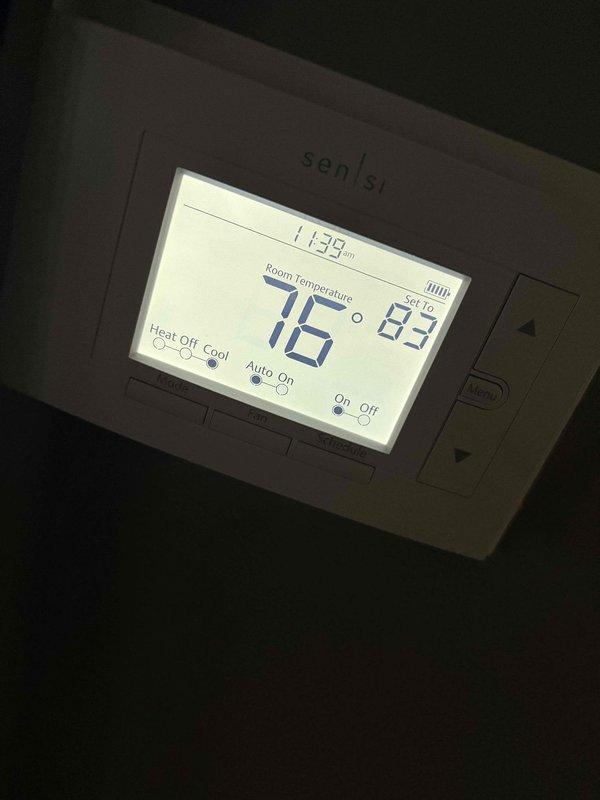
Responded to customer complaint of elevated indoor humidity levels exceeding 60%. Inspected 1-year-old residential HVAC system and verified thermostat operation showing 76°F room temperature with setpoint at 83°F. System confirmed operating in cooling mode with auto fan setting. Evaluated air handler access point and verified proper system cycling. Reviewed thermostat programming and discussed humidity control options with customer to address moisture concerns in conditioned space.
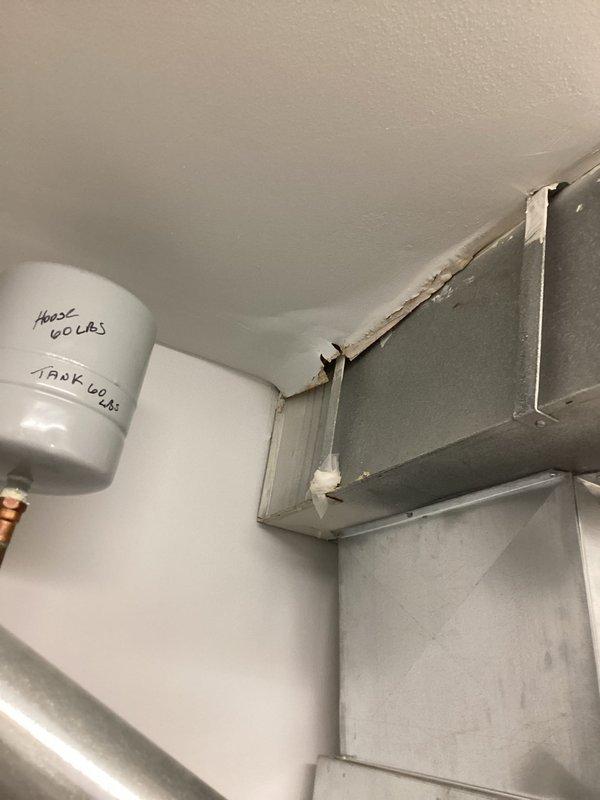
Responded to emergency service call for active water leak originating from ceiling around air handler on 9-year-old residential HVAC system. Upon arrival, confirmed water actively dripping from air handler exterior onto floor with ceiling showing signs of significant water damage and structural concern. Inspection revealed visible deterioration and corrosion along ductwork seam junctions near ceiling, with rust and material separation at connection points. Documented existing conditions with photographs showing compromised ductwork integrity, aging sealant failure, and water infiltration points. Primary concern identified as condensate drainage issue causing overflow from air handler, likely due to clogged drain line or failed condensate pump on cooling system. Advised immediate attention required to prevent further structural damage and restore proper AC operation.
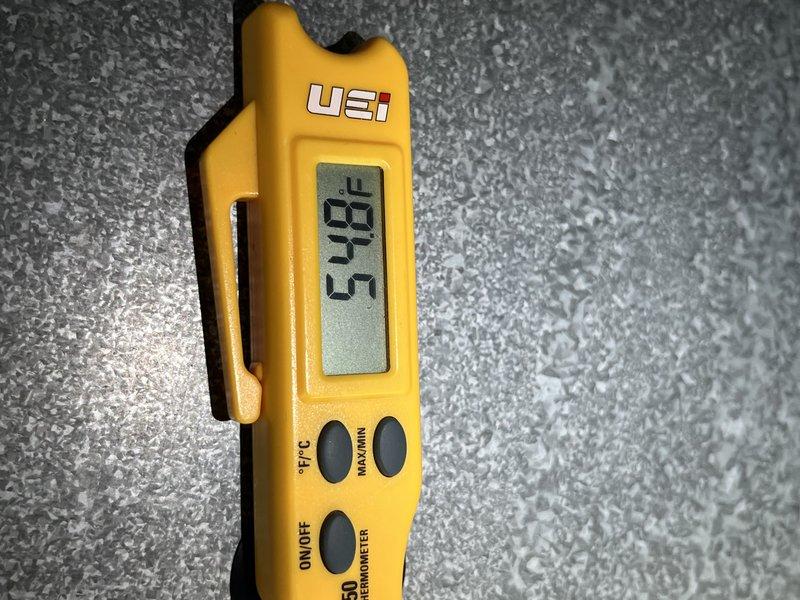
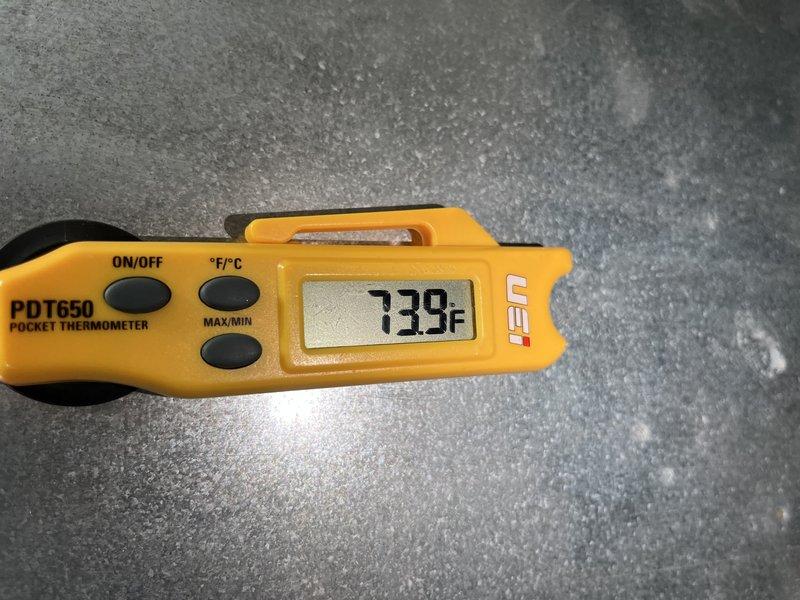

Responded to no cooling complaint on 10-year-old residential unit located at side of home. Upon arrival, performed system diagnostics and temperature measurements. Recorded supply air temperature of 58.5°F and discharge line temperature of 739°F, indicating system is operating within normal parameters and cooling effectively. Verified unit functionality and determined system is working properly with no issues found.
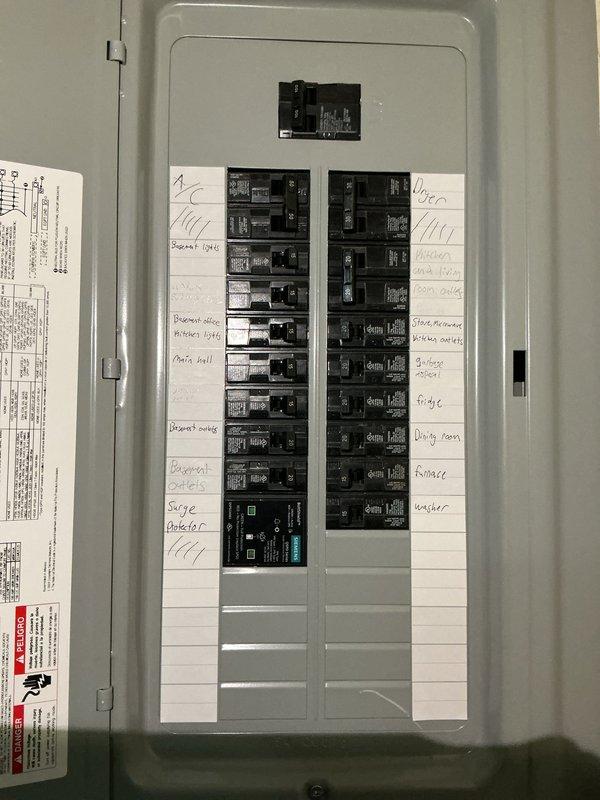
Responded to inspection failure callback for 100 amp panel swap installation. Corrected circuit breaker labeling on panel directory to meet code requirements, ensuring all circuit designations were clearly and precisely identified with proper nomenclature for basement, utility, and other branch circuits. Updated labeling strips on both left and right columns of breaker panel to satisfy inspector's requirements for final approval.